
Ask someone how they're doing and a fair number will say "busy" as though it were a state of health. Rest, meanwhile, gets treated as a reward you earn after finishing, and since nothing is ever finished, it gets postponed indefinitely. Even the rest people do take is often surveillance-heavy: naps with an alarm, holidays with an itinerary, a weekend spent catching up on the things the week displaced.
I came to this subject the unfashionable way, by being unwell for a month and discovering that I had no idea how to rest. Lying down was easy. Actually resting was a skill I'd never developed. Tarot didn't teach me how, but it did help me notice what I was doing instead of resting, which turned out to be the necessary first step.

Rest isn't one thing
Part of why rest fails is that people try to treat every kind of tiredness with sleep. Sleep only fixes one kind.
- Physical tiredness wants sleep, food, and stillness.
- Mental tiredness wants a change of task, not inactivity. This is why gardening can be restful after a day of spreadsheets.
- Emotional tiredness wants company or solitude, depending on the person, and it wants the absence of performing.
- Sensory tiredness wants quiet and dim light. Parents and people in open-plan offices know this one well.
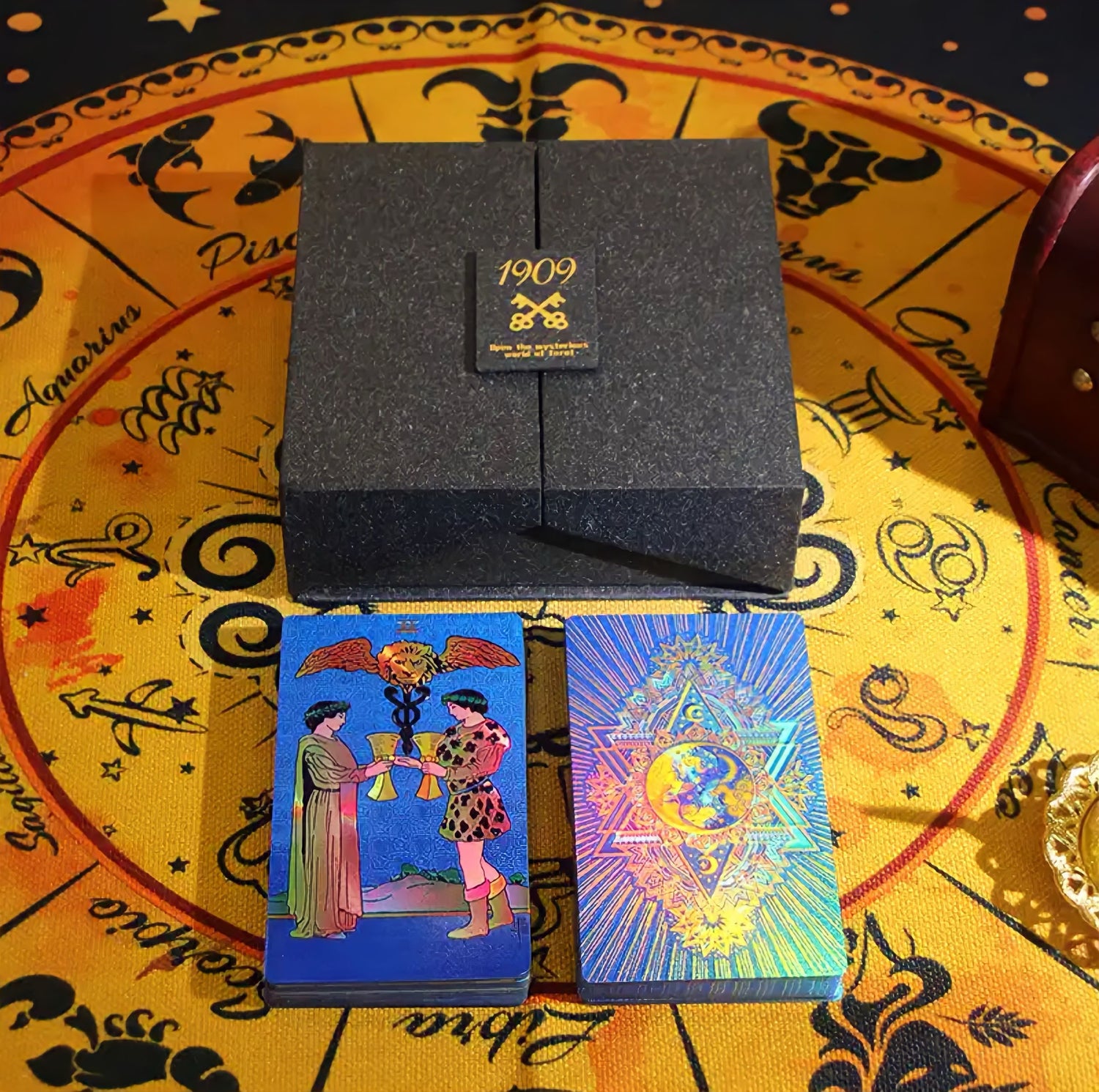
A single card can help you tell them apart. Pull one and ask what kind of tired am I? A card of water might point to emotional depletion. A card of swords might point to a mind that hasn't stopped processing. The card isn't diagnosing you; it's giving you four options instead of a vague sense of being worn out.
A three-card rest reading
1. What's actually depleting me
Not the schedule. The specific thing. Sometimes it's a single unresolved conversation, and no amount of early nights will touch it.
2. What I do instead of resting
This is where most people find themselves out. Scrolling. Cleaning. Being useful. Organizing other people's lives. A card of restless activity is worth taking personally, kindly.
3. What rest would look like if I stopped judging it
The word "productive" needs to be absent here. If the card suggests pleasure, indulgence, or simply lying about, let it mean that. The test of rest is not whether you can justify it afterward.
Cards that carry rest in their imagery
Without reproducing any particular deck, you'll notice certain recurring scenes across traditional imagery: figures sleeping, figures recovering, a person resting after labor with the work still unfinished around them. That last detail is the instructive one. The imagery repeatedly shows rest taken in the middle of things rather than after completion. Which is the only place it's ever available.
If you keep drawing cards like these, resist the reflex to read them as warnings. They're often just accurate.
A practice for actually doing it
Once a week, pull one card and ask: what is one hour of this week that I can protect and spend on nothing useful?
Then put it in the calendar with a name. Unnamed free time gets colonized by errands within about forty-eight hours.
Reflective questions to journal: When did I last feel genuinely rested, and what were the conditions? What do I believe about people who rest a lot, and where did I learn it? What am I afraid would happen if I did less? Whose approval am I working for?
Where to be careful
Persistent exhaustion is not always a scheduling problem. Fatigue that doesn't lift with rest, or that comes with other symptoms, is a medical question, and a doctor is the right person to ask. Burnout severe enough to affect how you function deserves proper support too. Tarot isn't a treatment and shouldn't be used to talk yourself out of getting one.
Within those limits, a reading is a genuinely good tool for examining the beliefs that keep you from stopping. Most people don't lack time to rest. They lack permission, and permission is a belief problem, which is exactly the sort of thing reflection can move.
A gentle invitation
Tonight, pull one card and finish this sentence in a notebook: "I would rest more if I believed that..." Whatever comes out is the thing standing between you and an ordinary afternoon off. It's usually smaller than it feels once it's written down.


