
Dreams speak in images too
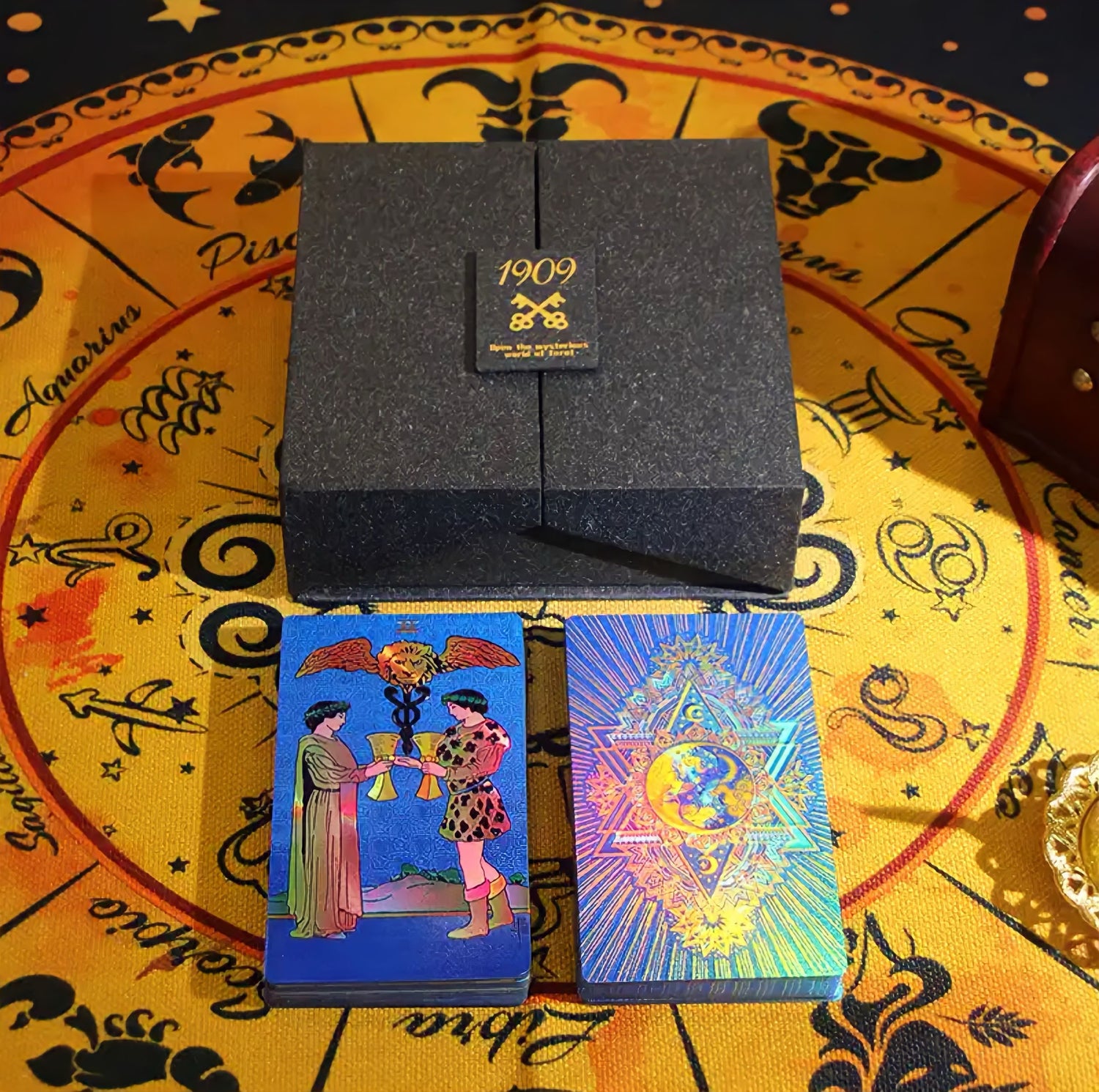
A dream rarely explains itself in a neat paragraph. It arrives as a house, a river, a stranger, a locked door, or a sky that behaves strangely. Tarot can help you stay with those images long enough to hear what they might be expressing.
This is not about finding a universal dream dictionary. The meaning of a symbol lives partly in your own story.

Begin with the dream feeling
Before drawing a card, write down the strongest emotion from the dream. Were you curious, chased, relieved, powerful, or lost? Emotion often gives the image its first key.
Try a three-card dream spread
- The image: What symbol from the dream wants attention?
- The feeling: What emotional truth is connected to it?
- The invitation: How can I bring this insight into waking life?
If the dream featured water, you might draw the Moon and ask how uncertainty is shaping the message. If you dreamed of a journey, The Fool or The Chariot could open questions about risk, direction, and movement.
Do not force the ending
A dream reading can remain unfinished. Leave space for the image to change meaning as your day unfolds. Tarot is a companion for the conversation, not an authority handing down a verdict.
Keep a dream-and-card journal beside your bed. Over time, you may notice repeating symbols, emotional themes, and inner characters that form a private mythology all your own.


